
GREAT MIGRATION KENYA: WITNESS AFRICA’S GREATEST WILDLIFE SPECTACLE
Maasai Mara river crossing
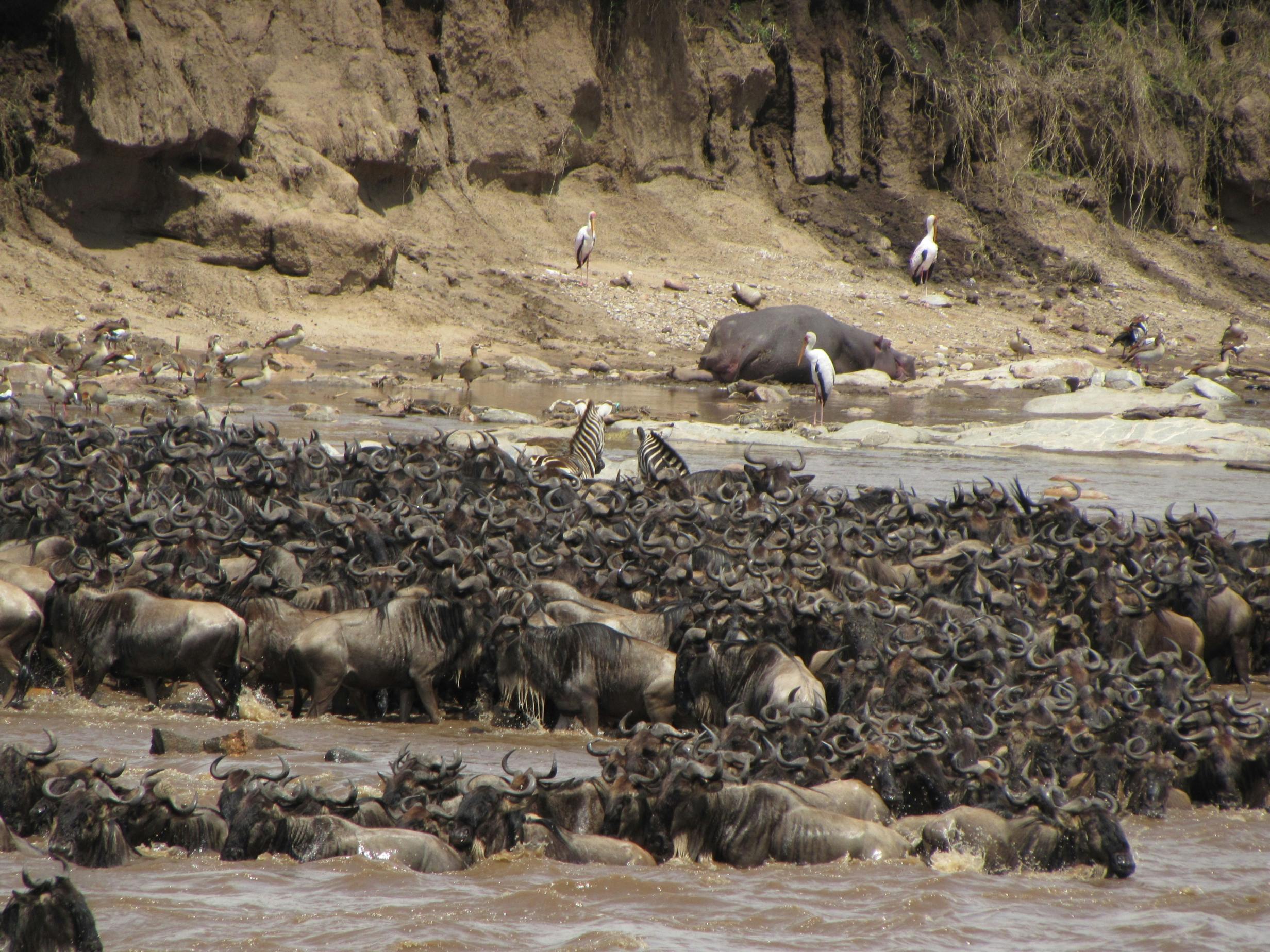
Welcome to the definitive guide on the Great Migration Kenya, brought to you by Africa Reveal Safaris. Imagine standing on the banks of the Mara River as a million hooves thunder toward you. Dust rises into the African sky. Crocodiles lurk in the muddy waters. And then, the first wildebeest leaps. This is the greatest wildlife spectacle on Earth. The Great Migration is not just a safari. It is a raw, primal drama of life and death, courage and survival. Every year, over two million wildebeest, zebras, and gazelles circle the Serengeti Mara ecosystem in a perpetual search for fresh grass. And the most dramatic chapter of all unfolds in Kenya’s Maasai Mara National Reserve. Africa Reveal Safaris invites you to witness this wonder with expert guidance, prime riverfront camps, and itineraries timed for the famous river crossings. Prepare to be moved.
What Is the Great Migration and Why Kenya’s Maasai Mara Is the Best Stage: Maasai Mara river crossing
The Great Migration is a continuous, year round movement of herbivores across the plains of Tanzania and Kenya. While the Serengeti hosts the migration for most of the year, the Maasai Mara becomes the star from July to October. During these months, the herds cross the Mara River, a death defying obstacle course of crocodiles, currents, and steep banks. Nowhere else on Earth will you see such concentration of wildlife and such raw predator prey interactions. Lions, leopards, cheetahs, and hyenas follow the herds. The Mara’s open grasslands provide unparalleled viewing. Unlike the Serengeti’s vastness, the Mara offers relatively compact game viewing areas, meaning you are never far from the action. Africa Reveal Safaris has spent years identifying the best crossing points and the most comfortable camps. We bring you front row seats to nature’s greatest drama.
Wildebeest Migration Maasai Mara Dates: When to Find the Herds in Kenya: Maasai Mara river crossing
Understanding the wildebeest migration Maasai Mara dates is essential for planning your trip. The migration follows the rains. Here is a month by month breakdown.
July
The first wildebeest herds begin arriving in the northern Serengeti and start crossing into the Maasai Mara. River crossings become possible, though still sporadic.
August
This is peak river crossing season. The main herds are concentrated in the Mara. Crossings occur daily or multiple times per day at key points like the Mara River and Talek River. The wildebeest migration Maasai Mara dates hit their zenith in August.
September
The herds remain in the Mara, though many have already crossed. Crossings continue, especially early in the month. The grasses are rich, and predator sightings are exceptional.
October
The short rains begin in Tanzania, signaling the herds to start moving south. Late October sees the wildebeest leaving the Mara. Crossings become less frequent but can still happen.
November to June
The herds are mostly in the Serengeti. The Maasai Mara still has resident game, but the mega herds are absent.
For guaranteed river crossings, Africa Reveal Safaris recommends booking between mid August and mid September. However, remember that nature operates on her own schedule. No one can predict the exact hour of a crossing. That is why we recommend staying at least four nights in the Mara to maximize your chances.
River Crossing Mara: The Ultimate Maasai Mara river crossing Moment
Maasai Mara river crossing
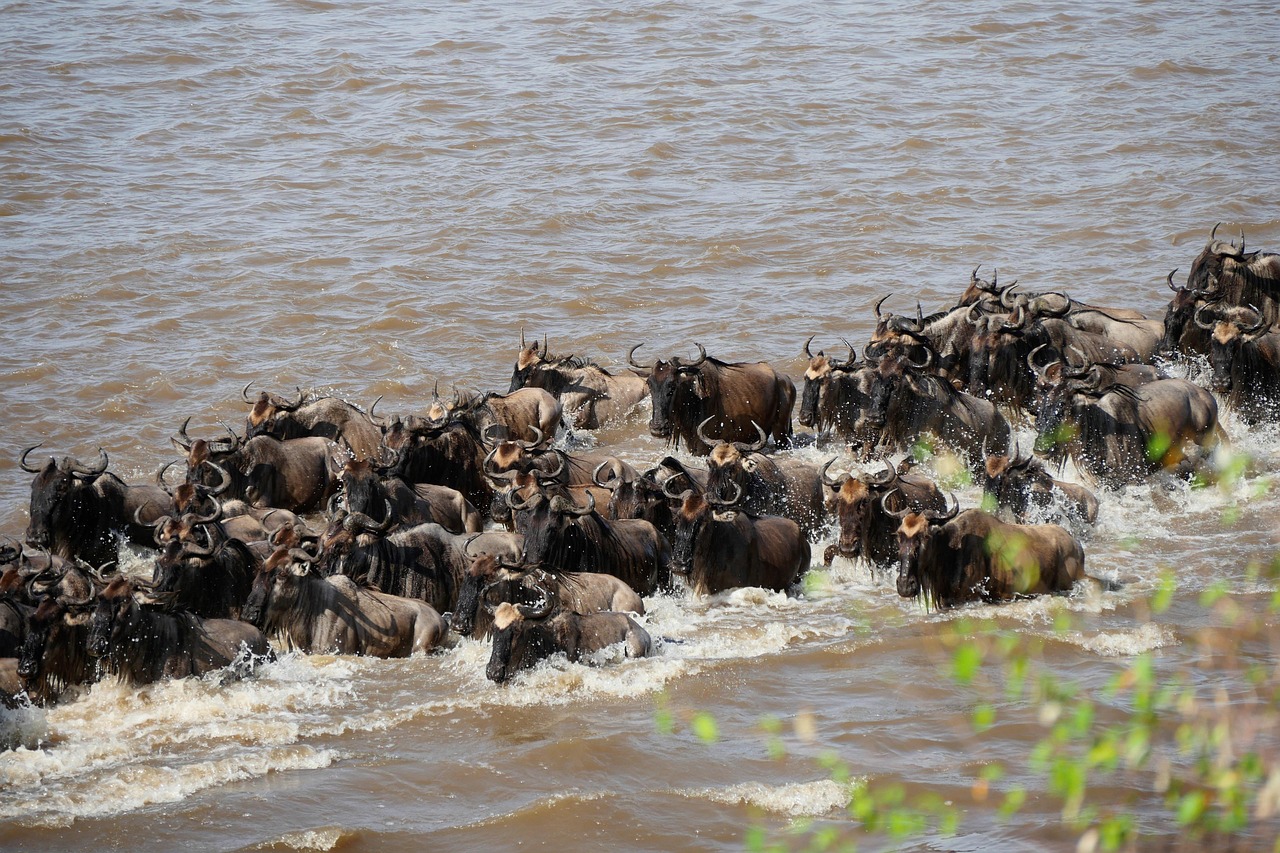
The river crossing Mara is the Holy Grail of wildlife photography and safari excitement. It takes place at several points along the Mara River, which snakes through the reserve. The most famous crossing sites are Sand River, Lookout Point, and the various pools near the Kichwa Tembo area. Each crossing is unique.
One moment, the riverbanks are peaceful. Hippos grunt in the shallows. Crocodiles float like logs. Then, a scout wildebeest appears on the far bank. It stares at the water, sniffs the air, and retreats. Minutes later, a massive herd accumulates. The tension builds. Finally, some brave animal leaps. Instantly, hundreds follow. Dust and water spray. Calves are swept away. Crocodiles strike. Lions sometimes patrol the opposite bank. The chaos lasts only minutes, but the memory lasts a lifetime.
To witness a river crossing Mara, you need patience, luck, and an expert guide. Africa Reveal Safaris drivers are in constant radio contact with spotters along the river. They know the crossing points and the typical times of day. Early morning and late afternoon crossings are most common, as the midday sun makes the water too hot for the wildebeest to risk. We position you at the best spot, often arriving before sunrise to secure a viewpoint. And we wait. The reward is worth every minute of quiet anticipation.
Best Time Great Migration Kenya: A Month by Month Breakdown
When is the absolute best time Great Migration Kenya? The answer depends on what you want to see. Let us break down the optimal windows.
For River Crossings: August to September
This is the classic Great Migration Kenya experience. The herds are in the Mara. The crossing action is frequent. Weather is dry, meaning game drives are comfortable and roads are passable. Book at least six months in advance for these months.
For Calving Season and Predator Action: January to February
While this occurs in Tanzania’s Serengeti, not Kenya, many travelers combine both countries. Africa Reveal Safaris offers cross border safaris. However, if you are focused solely on Kenya, January and February are still excellent for resident game, but the mega herds are not in the Mara.
For Fewer Crowds: July and October
July has fewer tourists than August, and crossings are just beginning. October sees the tail end of the migration with fewer vehicles. The weather is still pleasant. You trade some action for more solitude.
Avoid: April and May
These are the long rains. Many camps close. Roads become muddy. The migration is far south in the Serengeti. Not recommended.
Africa Reveal Safaris advises that the best time Great Migration Kenya for most visitors is mid August to early September. But we also offer tailored advice based on your budget, travel style, and photography goals.
Where to Stay in the Maasai Mara for Prime Migration Viewing
Your accommodation location can make or break your Great Migration Kenya experience. You want to be close to the river crossing points. Here are Africa Reveal Safaris recommended camps and lodges.
Luxury Options
Angama Mara sits on the Oloololo Escarpment with stunning views over the Mara Triangle. It offers quick access to the Mara River crossings in the western sector. Governors’ Camp is a classic tented camp right on the riverbank. You sometimes see hippos from your tent. Mara Serena Safari Lodge is perched on a hill overlooking the Mara River, with excellent proximity to main crossing points.
Mid Range Options
Mara Intrepids Camp offers comfortable tents along the Talek River, a tributary of the Mara. Crossings on the Talek are smaller but more reliable. Ashnil Mara Camp is located near the Mara River, with a swimming pool for post drive relaxation.
Budget Options
Mara Leisure Camp and Enchoro Wildlife Camp offer basic but clean accommodation near the Sekenani Gate. You will need slightly longer drives to the river crossings, but you save significantly on cost.
Africa Reveal Safaris selects accommodation based on the latest crossing activity. We have partnerships with all the above and can secure the best available rooms even during peak season.
What to Pack for the Great Migration Safari | Maasai Mara river crossing
Packing correctly for the Great Migration Kenya ensures comfort and safety. The Maasai Mara sits at an altitude of about 1,500 to 1,800 meters. Days are warm, from 25 to 30 degrees Celsius. Mornings and evenings can be cool, 10 to 15 degrees Celsius.
Clothing should be lightweight, breathable, and neutral colored. Khaki, olive, and beige are best. Avoid bright colors and camouflage. Bring a warm fleece or light down jacket for early morning game drives. A rain jacket is useful even in dry season. For footwear, comfortable closed toe shoes for game drives and walking shoes for any nature walks. Other essentials include sunscreen, a wide brimmed hat, sunglasses, insect repellent, binoculars (absolutely critical), a camera with a telephoto lens (at least 300mm for wildlife), spare batteries and memory cards, a power bank, and a reusable water bottle. If you take medication, pack enough for the trip plus a copy of your prescription. Africa Reveal Safaris provides a full packing checklist with every booking.
Game Drives and Beyond: Other Activities in the Maasai Mara river crossing
Maasai Mara river crossing
While the Great Migration Kenya is the headline, the Maasai Mara offers much more. Balloon safaris at sunrise give you a bird’s eye view of the herds. Floating silently over the plains as the golden light illuminates wildebeest trails is magical. Many operators include a champagne breakfast in the bush after landing. Guided nature walks with armed rangers allow you to learn about tracks, insects, and medicinal plants. Village visits to a Maasai community offer cultural insights. You watch traditional jumping dances, learn about the warrior lifestyle, and can purchase handmade beadwork. Night game drives are permitted in some private conservancies like Mara North or Ol Kinyei. These reveal nocturnal creatures like leopards hunting, aardvarks, and bush babies. Africa Reveal Safaris can arrange any of these add ons to create a well rounded safari.
Health and Safety Tips for the Great Migration Safari
Your safety is our priority. The Maasai Mara is a wild area. Follow these guidelines. Stay inside your vehicle except at designated picnic sites. Do not stand up through the sunroof when predators are near. Keep arms and legs inside the vehicle. Do not feed or attempt to pet any animal. Listen to your guide at all times. Regarding health, malaria is present in the Mara, though risk is moderate. Use insect repellent, wear long sleeves after dusk, and consider antimalarial prophylaxis after consulting your doctor. Drink only bottled or filtered water. Ensure your tetanus, hepatitis A, and typhoid vaccinations are current. The nearest hospital is in Narok town, about two hours from the Mara. Carry a basic first aid kit. Africa Reveal Safaris guides are trained in wilderness first aid and carry emergency communication devices.
How to Get to the Maasai Mara from Nairobi
Most Great Migration Kenya safaris begin in Nairobi. From Jomo Kenyatta International Airport, you have several options to reach the Maasai Mara.
Charter Flight
The fastest and most common option for high end safaris. Light aircraft fly from Wilson Airport in Nairobi to airstrips inside the Mara, such as Keekorok, Serena, or Kichwa Tembo. Flight time is 45 to 60 minutes. Africa Reveal Safaris arranges these flights as part of your package.
Road Transfer
Driving from Nairobi to the Mara takes about 5 to 6 hours. The road is paved to Narok, then dirt to the reserve gates. A road safari allows you to see the Great Rift Valley and small towns. We recommend this only if you have extra time or are on a budget.
Combination
Fly one way and drive the other. Many travelers fly into the Mara and drive back to Nairobi for a change of scenery.
Africa Reveal Safaris handles all transport logistics. We meet you at the airport, assist with domestic flight check in, and have drivers waiting at the airstrip.
Why Choose Africa Reveal Safaris for Your Maasai Mara river crossing Safari
Africa Reveal Safaris is a locally owned tour operator with over a decade of experience in East African safaris. We are not a faceless online booking engine. We are real people who live and work in the region. Our guides are among the most knowledgeable in the Maasai Mara. They have tracking experience, photography skills, and a deep respect for wildlife. We offer small group and private safaris, never overcrowding our vehicles. Our pricing is transparent. No hidden fees for park entry, driver tips, or fuel. We also practice responsible tourism. We work with eco certified camps, avoid disturbing wildlife, and support community projects. When you book the Great Migration Kenya with Africa Reveal Safaris, you book a lifetime memory with a team that truly cares.
Frequently Asked Questions About the Maasai Mara river crossing in Kenya
Can I see the Great Migration in December?
No. The herds are in the southern Serengeti in December. The Maasai Mara has resident game but not the mega herds.
How many wildebeest are in the Great Migration?
Approximately 1.5 million wildebeest, joined by 200,000 zebras and 300,000 gazelles.
What is the difference between the Serengeti and the Maasai Mara?
The Serengeti is in Tanzania, the Maasai Mara in Kenya. They are the same ecosystem. The Mara is much smaller but offers higher predator density and easier viewing.
Are there crocodile attacks during river crossings?
Yes. This is part of the natural drama. Crocodiles take many wildebeest each year. It is graphic but also a powerful conservation story.
How fit do I need to be?
Game drives involve sitting in a vehicle with stops for viewing. No hiking required. The biggest challenge is the early mornings.
Can children come on the Great Migration safari?
Yes. Many camps welcome children aged 6 and above. Some have special family programs. Always check with Africa Reveal Safaris for age policies.
Conclusion: Your Front Row Seat to the World’s Greatest Wildlife Show
The Great Migration Kenya is not a bucket list item. It is the bucket list. Watching a wildebeest migration Maasai Mara unfold before you, holding your breath during a river crossing Mara, and knowing you chose the best time Great Migration Kenya for your adventure, these are the moments that define a life well traveled. Africa Reveal Safaris is here to make that dream real. We offer expertly crafted itineraries, prime accommodation, and passionate guides. Do not wait. The herds wait for no one. Contact us today to book your Great Migration Kenya safari. Witness Africa’s greatest wildlife spectacle with the people who know it best.
Kenya Safari Holidays | Maasai Mara river crossing
[/vc_column_text]
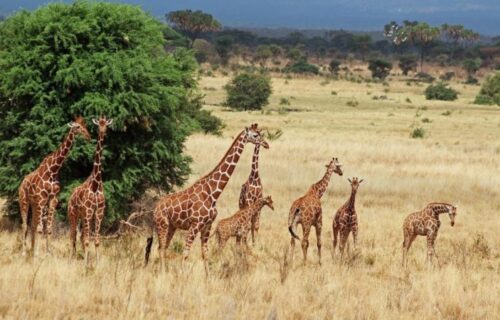
12 Days Kenya Classic Safari brings you the magical experience ever. Visiting all the classic safari attractions, it is the best adventurous tour that one can ever have. Visit the parks. Read More
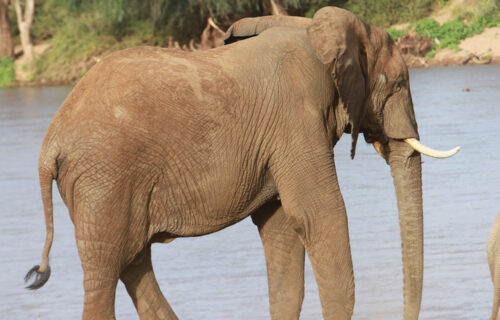
10 Days Kenya Wildlife Safari, start your trip from Nairobi and end it in Nairobi. Explore Amboseli, Aberdares, Nakuru, and Maasai Mara with a lot of dazzling wildlife. Read More
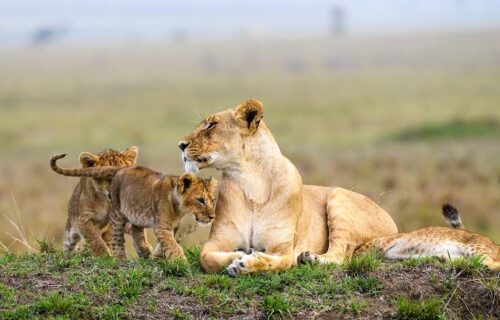
8 Days Best of Kenya Wildlife tour, explore the Great Rift Valley -Samburu reserve & Maasai Mara national reserve. Passing through the rolling savannah grassland to the Great Rift Valley. Read More
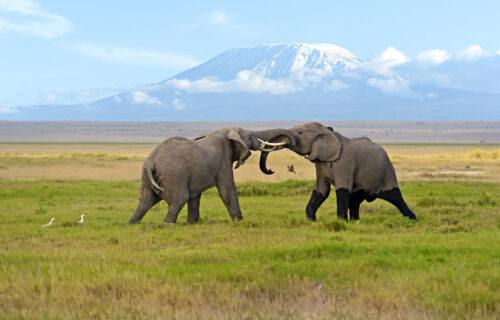
Enjoy your 6 Days Kenya Wildlife Safari with one of the best points for bird lovers – Lake Nakuru National Park. Read More
4 Days Kenya Wildlife Safari in Amboseli National Park is an exclusive and amazing journey that passes through the open plains and landscapes. Read More
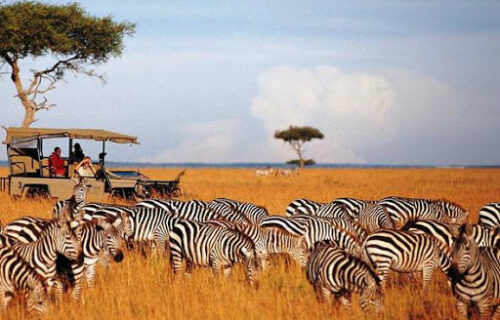
4 Days Flying Maasai Mara Safari is a tiresome – less safari that gives you the best experience ever around Kenya. Take 2 full days doing the game drives in the park. Read More
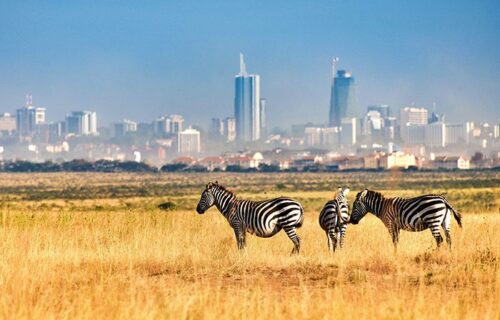
3 Days Kenya Safari brings the typical Kenyan adventure closer to your eyes. Explore Nairobi’s city with the catching infrastructure with the insights of the wildlife in the park. Read More